
Meta ads vs Google ads: which should a small business try first?
Search intent vs discovery: how Google and Meta ads differ, which suits your business, and what to prepare before spending anything.
Read articleContent & video
AI can now create videos of you, speaking in your voice, from a script. It’s powerful — and it needs to be used carefully. Here’s a clear-eyed guide.
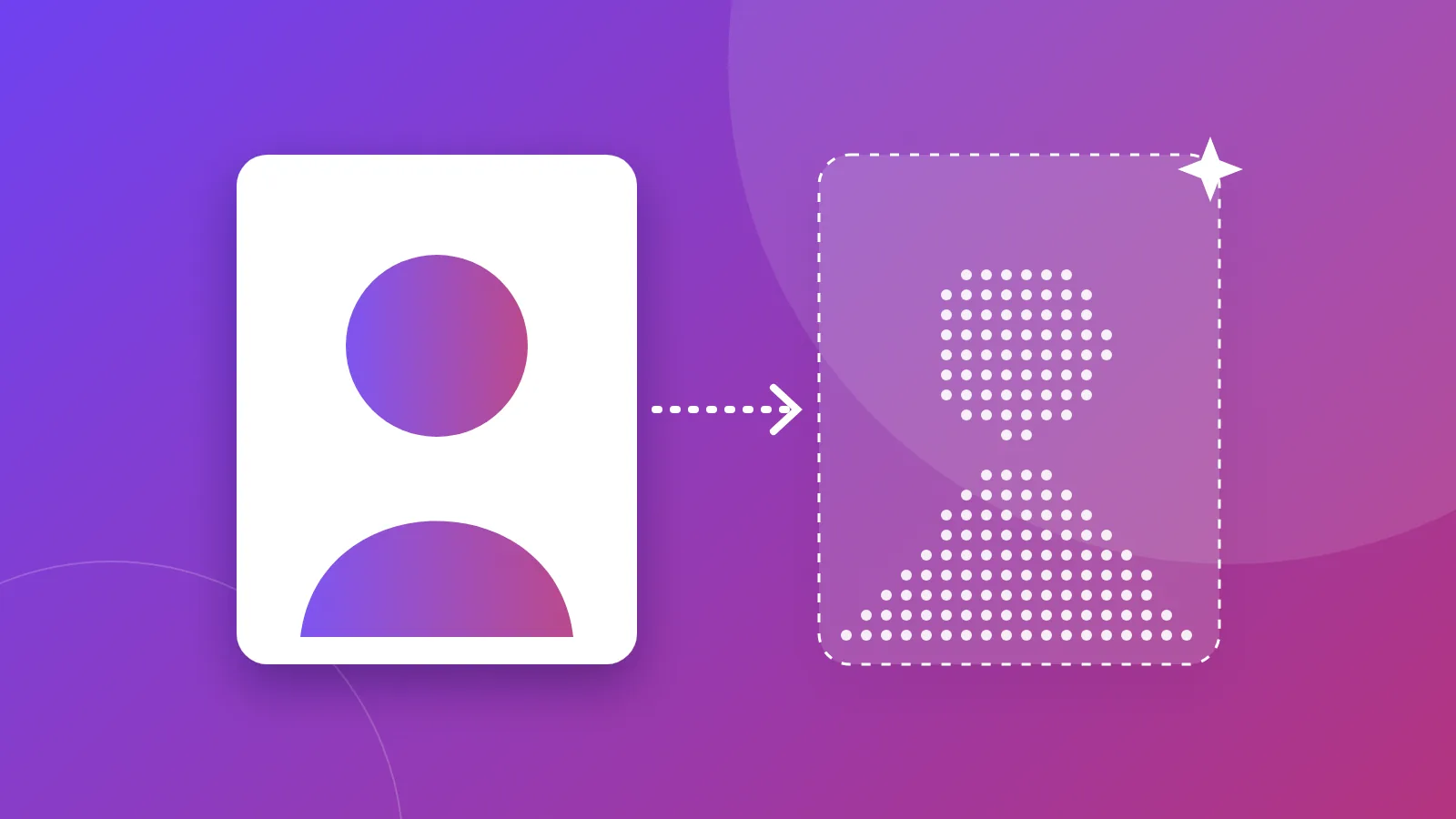
An AI digital twin (sometimes called an AI avatar or AI clone) is a digital version of a real person, created from recordings of their face and voice. Once it is set up, you can type a script and the AI generates a video in which the twin appears to say those words, in a similar voice and style.
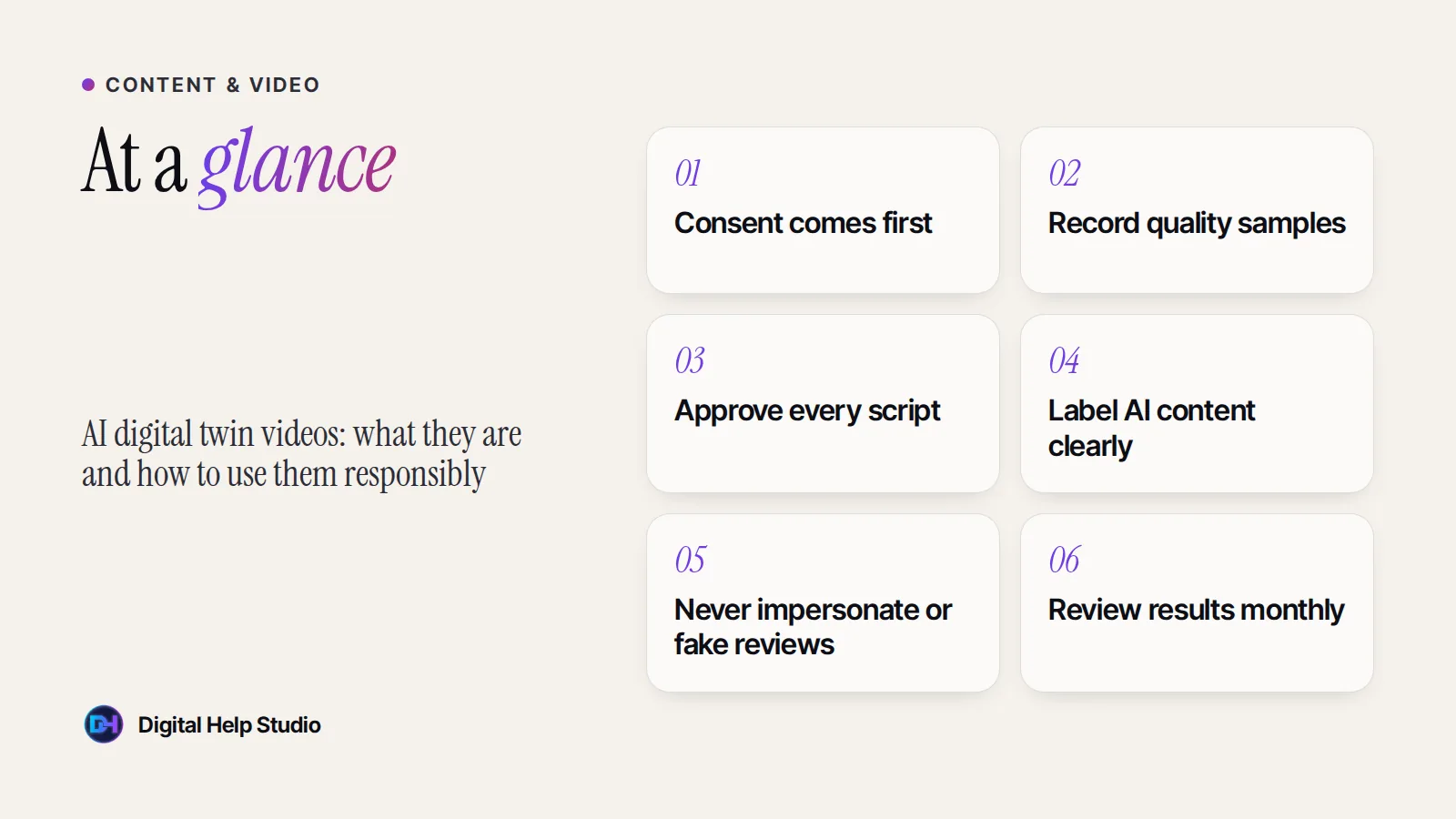
For business owners, the appeal is simple: you can publish regular video without setting up a camera, doing retakes and editing every time.
Major platforms, including YouTube and Meta, have introduced ways to label realistic AI-generated or altered content, and in some cases require creators to disclose it. Rules change, so check each platform’s current policy before publishing. In practice, being open about using AI builds more trust than hiding it — your audience mostly cares that the advice is useful and genuinely comes from you.
Most AI video platforms charge a subscription, often based on how many minutes of video you generate and which features you use. On top of that is the time — or the cost of help — for scripting, editing and publishing. Compare the total with what filming every video yourself really costs you in time.
I set up AI digital twin videos for business owners — from sample guidance and scripting to finished, clearly disclosed videos. I’m also building my own twin to publish content for Digital Help Studio, so I’m learning what works in practice.
This article is general information, not legal advice. Laws and platform rules on AI content vary by country and change often.
A consented AI version of you, built from your video and voice samples, to help you publish more video without filming every time.
See the service
Brijaditya Sharma is the founder of Digital Help Studio. After nine years in-house handling content distribution for an Indian brand, he now builds websites and runs digital marketing for small businesses worldwide. Connect on LinkedIn.
Creating an AI version of yourself, with your consent, for your own content is generally allowed, but laws vary by country. Follow each platform’s disclosure rules and never use it to mislead people.
Some will, especially as AI video becomes more common. That’s why clear labelling and scripts in your own voice matter more than trying to make it undetectable.
Recording samples can take less than an hour. Processing time and quality depend on the platform. Plan for a test round before publishing anything.
Keep reading
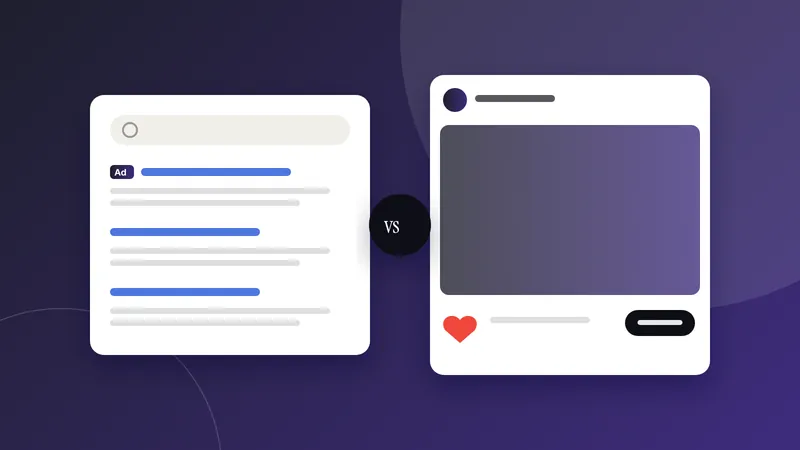
Search intent vs discovery: how Google and Meta ads differ, which suits your business, and what to prepare before spending anything.
Read article
Eight practical steps to help nearby customers find your business on Google and Google Maps — from your Business Profile to honest reviews.
Read article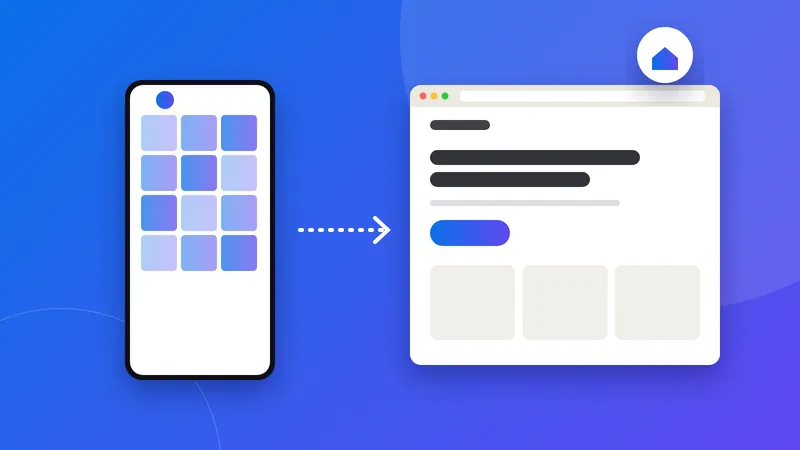
Instagram is great for discovery, but it isn’t yours. What a website does that social media can’t — and when you might not need one yet.
Read articleYour next step
Send me your business details or your Instagram link. I’ll build a free, personalised website demo — no payment, no obligation.