
Do I need a website if I have Instagram?
Instagram is great for discovery, but it isn’t yours. What a website does that social media can’t — and when you might not need one yet.
Read articleWebsites
Your About page is often one of the most visited pages on a small business website. People want to know who they’re dealing with. Here’s how to tell them.
People don’t read an About page for your life story. They read it to answer three questions: Who are you? Can I trust you? Are you right for me? A good About page answers those clearly and warmly.
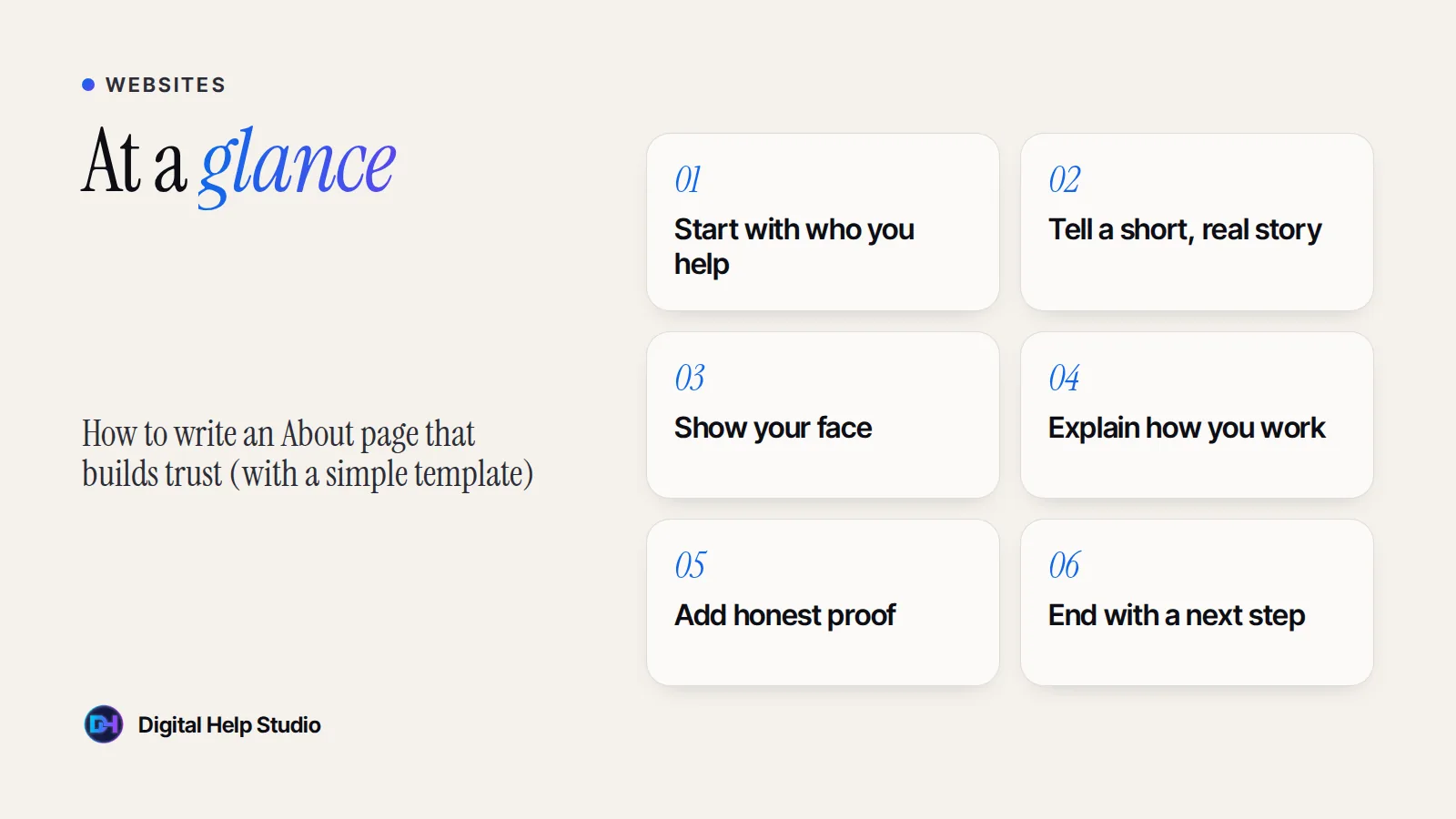
Open with a sentence about your customers, not yourself. For example: “I help independent cafés and bakeries get more customers through their door with simple, beautiful websites.”
Why did you start? What experience brought you here? Keep it to a few honest sentences. Specific details — a year, a place, a turning point — are more believable than big claims.
A real photo of you or your team is one of the strongest trust signals on any website. It doesn’t need to be a studio shot; clear and friendly is enough.
Describe your process in a few steps, and what customers can expect: response times, communication, what’s included. This reduces uncertainty.
Mention real experience, qualifications you actually hold, examples of work and genuine reviews. Never invent numbers, awards or clients.
Finish with an invitation: “Send me a message”, “Book a call” or “See my work” — with a button.
I help [who] with [what] so they can [result].
I started [business name] in [year/place] after [short story or experience].
When you work with me, [how you work: 2–3 points].
[Proof: experience, examples, genuine reviews].
If that sounds like what you need, [call to action].
You can see how I’ve applied this structure on my own About page. If you’d like help writing yours, content writing is included in my website design service.
Custom, hand-coded websites and landing pages for small businesses, starting with a free personalised demo.
See the service
Brijaditya Sharma is the founder of Digital Help Studio. After nine years in-house handling content distribution for an Indian brand, he now builds websites and runs digital marketing for small businesses worldwide. Connect on LinkedIn.
First person (“I” or “we”) usually feels more personal and honest, especially for small businesses and freelancers.
Long enough to answer who you are, why you’re trustworthy and how you work — often a few short sections.
No. A clear, well-lit, friendly photo taken on a phone is fine. What matters is that it’s really you.
Keep reading
Instagram is great for discovery, but it isn’t yours. What a website does that social media can’t — and when you might not need one yet.
Read article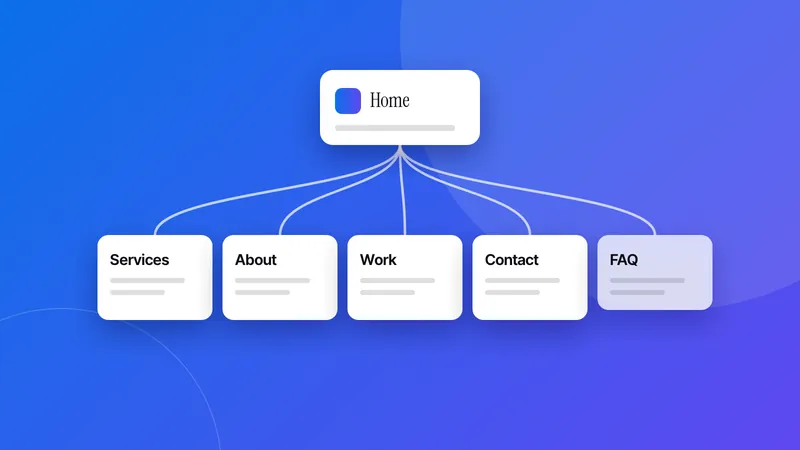
The five essential pages, useful extras and a pre-launch checklist — a practical guide to planning a small business website.
Read article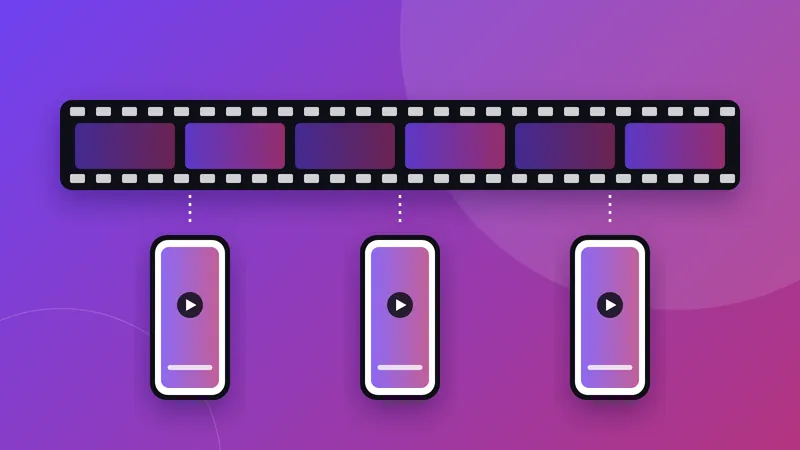
A practical, step-by-step guide to turning podcasts, webinars and long videos into short clips for Reels, Shorts, TikTok and LinkedIn.
Read articleYour next step
Send me your business details or your Instagram link. I’ll build a free, personalised website demo — no payment, no obligation.